Super Light Jet
Cessna Citation VII
Range
2,220 NM
Cruise speed
460 kts
Seats
7
History
The Citation VII was the last development of Cessna's Citation 650 series, which began with the Citation III. It first flew in February 1991, and its main advance was in the engines: Honeywell TFE731-4 turbofans with digital electronic engine controls, an early form of the FADEC systems used today. These controls protect the engines automatically against overspeed and overtemperature, which takes work off the pilots at busy moments in the flight.
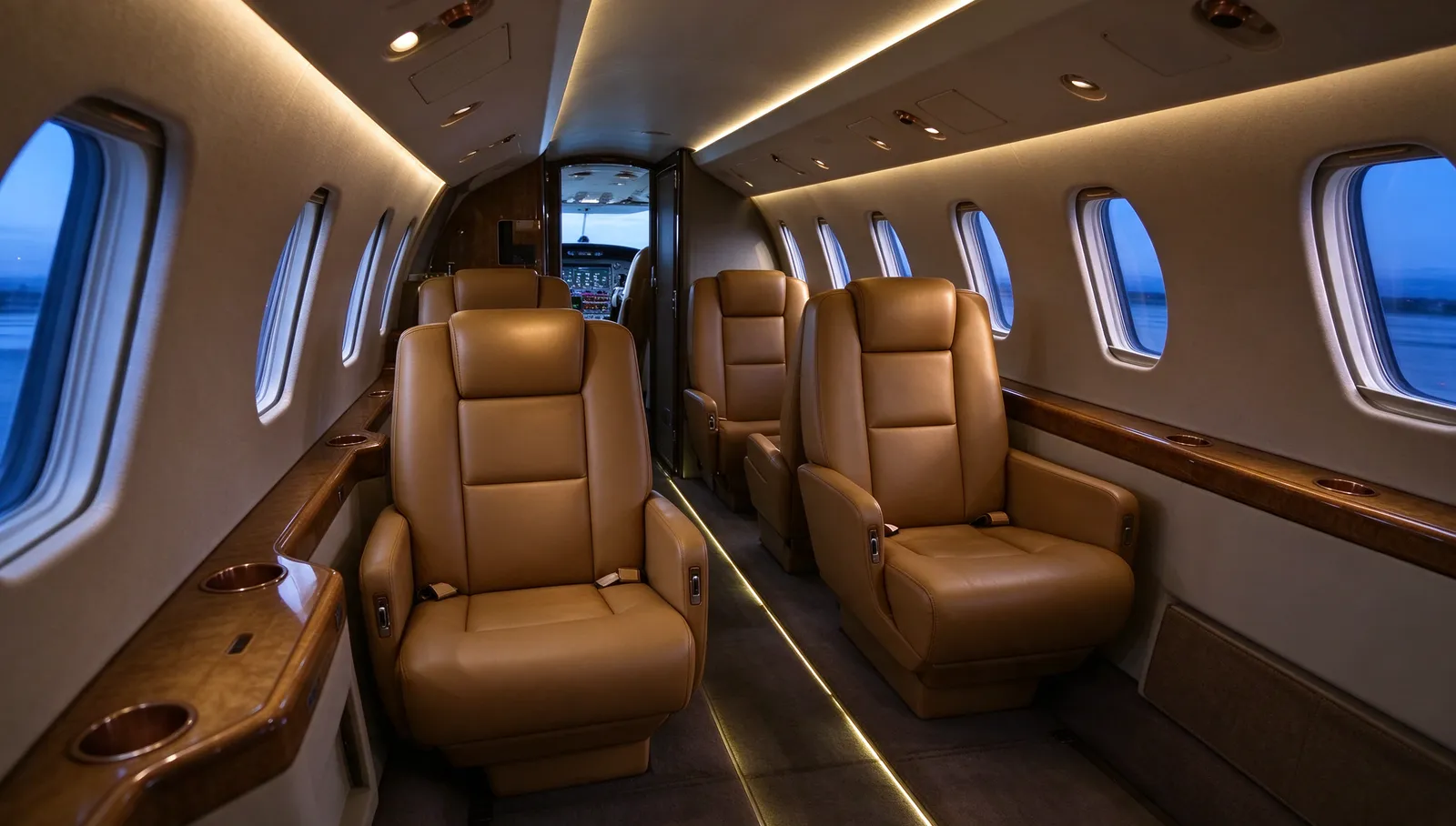
Production ran from 1992 to 2000, and 119 Citation VIIs were delivered. Compared with the Citation III, the VII took off, climbed and cruised better, carried a higher maximum take-off weight and had improved avionics, built around the Honeywell SPZ-8000 EFIS. The cabin was also upgraded, with better comfort than earlier 650 models.
Across the Citation III, VI and VII, Cessna delivered 360 aircraft. The end of VII production in 2000 closed the chapter on Cessna's first generation of large-cabin Citations, but many of these aircraft remain in service with charter operators today.
Technical Specifications
General information
| Model name | Citation VII |
|---|---|
| Manufacturer | Cessna |
| Aircraft category | super light jet |
| ICAO Designator | C650 |
| Start/End of Production | 1992 - 2000 |
| Number of pilot(s) | 2 |
Performances
| Range (with IFR reserves) | 2220 NM (4111 km) |
|---|---|
| Ferry range | 2220 NM (4111 km) |
| Cruise speed | 460 kts (852 km/h) |
| Max Operating Speed – VMO | 305 KIAS |
| Max Mach Operating Speed - MMO | Mach 0.85 |
| Long-Range Cruise Speed - LRC | 417 KTAS |
| Approach Speed | 110 kts |
| Takeoff Distance | 1370 m |
| Average Landing Distance | 940 m |
| Rate of Climb | 3000 ft/min |
| Service Ceiling | 43000 ft |
| Thrust | 4080 lbf |
Aircraft technology
| Engine type | Turbofan |
|---|---|
| Engine(s) | 2 |
| Avionics | Honeywell SPZ-8000 EFIS |
Dimensions and capacity
| Aircraft length | 16.91 m |
|---|---|
| Aircraft height | 5.44 m |
| Wing span | 16.3 m |
| Cabin height | 1.73 m (5.67 ft) |
| Cabin length | 5.61 m (18.42 ft) |
| Cabin width | 1.68 m (5.50 ft) |
| Baggage volume | 1.44 m3 |
| Seats (standard config) | 7 |
| Seats (max) | 9 |
| Suitcases | 8 |
| Carry-on luggage | 7 |
| Maximum payload | 1000 kg |
| Maximum TakeOff Weight - MTOW | 10183 kg |
| Maximum Landing Weight - MLW | 9300 kg |
| Fuel capacity | 4850 L |
FAQ
Citation VII or Citation Latitude: how do they differ?
The Latitude is a newer Cessna midsize jet that took over the role of aircraft like the VII. It flies further, about 2,678 nm against 2,220 nm (4,111 km), and seats nine in a standard layout against seven in the VII. Its wider cabin has a flat floor and newer avionics. Both handle similar trips, but the Latitude gives more range and space in the current charter market.
Can I still charter a Citation VII?
Yes. Production stopped in 2000, but many Citation VIIs are still flying with charter operators. Their mix of speed, cabin comfort and low operating cost keeps them in demand for midsize trips, and our advisors can tell you which aircraft are available for your dates.
What improved from the Citation VI to the Citation VII?
The VII gained Honeywell TFE731-4R-2S engines with more power, so it climbed better and lifted cruise speed from roughly 430 kts on the VI to around 460 kts (852 km/h). Cessna also improved the soundproofing. For charter passengers, that means shorter flight times in a quieter cabin.
How far can the Citation VII fly?
Under standard conditions, the VII covers up to 2,220 nm (4,111 km). That suits typical medium-haul trips, from Paris to Stockholm or London to Athens in Europe to New York to Dallas in the United States, and the aircraft is used for business and leisure flights alike.
Gallery
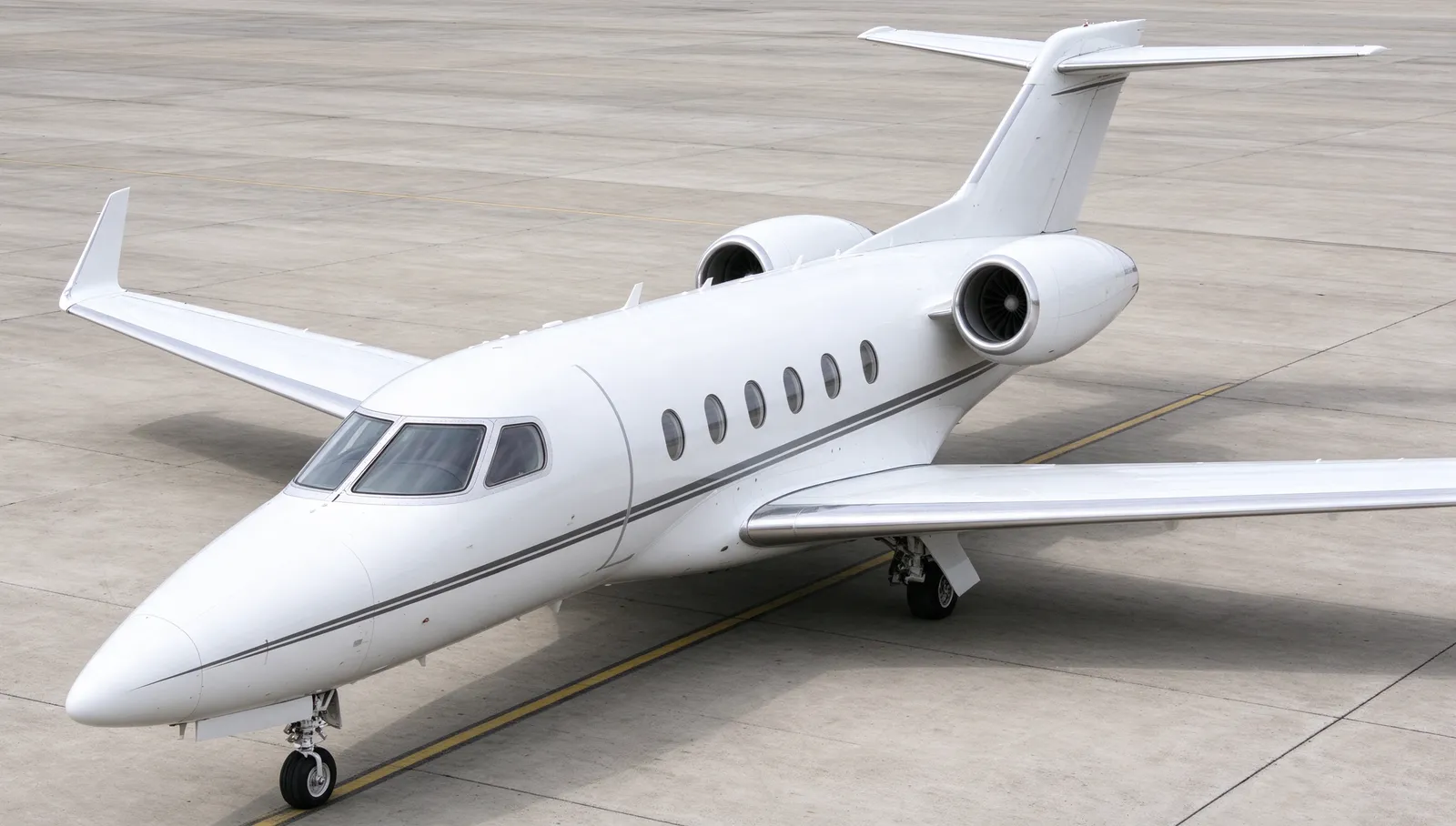
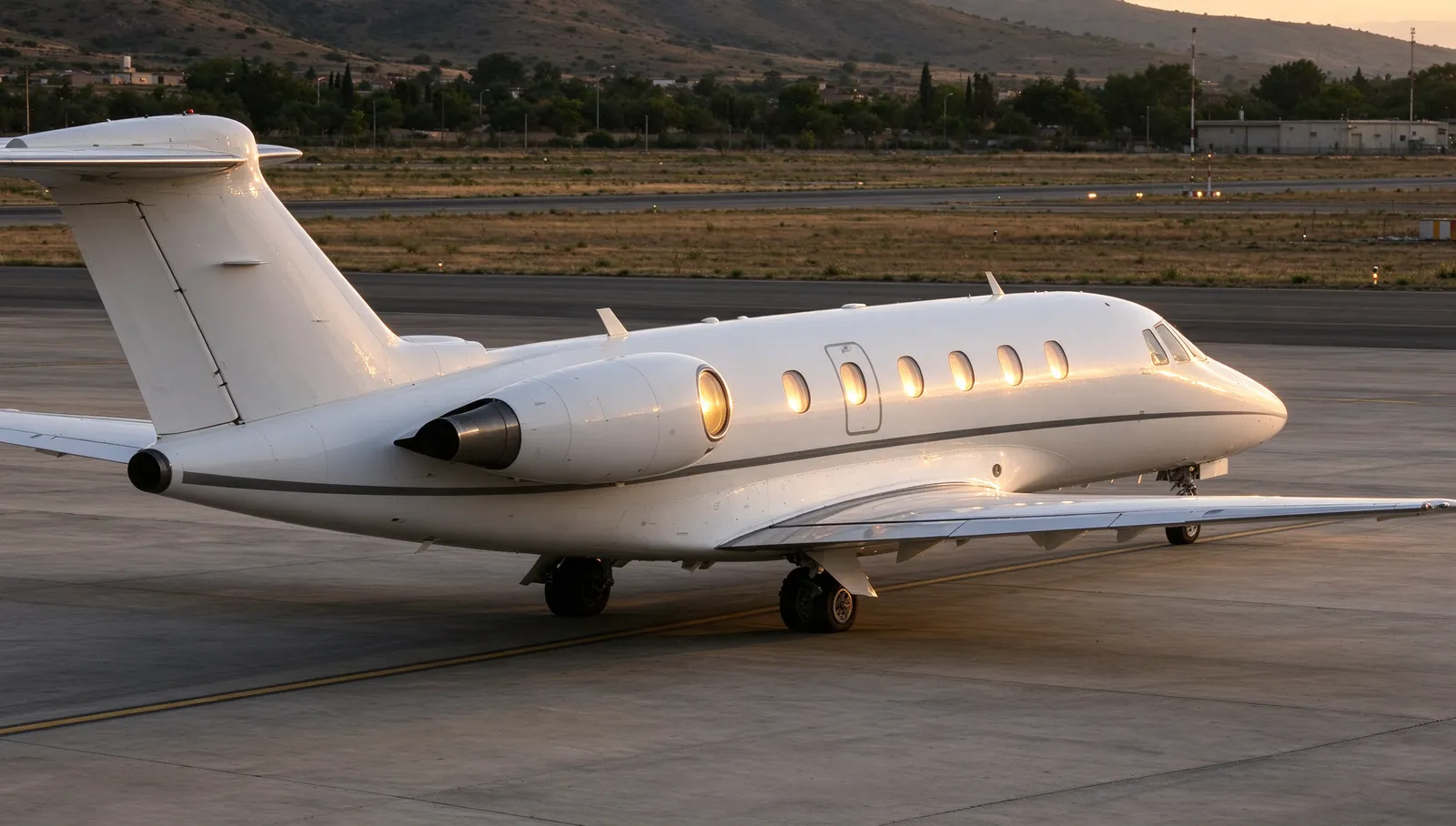
Figures are published manufacturer data, shown for illustration only. Images are generated for this concept and show the Citation VII type, not a specific aircraft. Cessna and Citation VII are trademarks of their owner, used only to identify the aircraft.