Regional Airliner
Embraer ERJ 145
Range
1,200 NM
Cruise speed
450 kts
Seats
50
History
Embraer launched the ERJ 145 programme in 1989. The plan was to stretch its EMB 120 Brasilia and replace the turboprops with turbofans. Progress stalled in November 1990, when cuts in Brazilian government spending forced the company to pause development for six months.
Work restarted on a revised design in the early 1990s, and full development was under way by 1995. The aircraft was certified in 1996 and entered airline service later that year, which gave Embraer a firm place in the regional jet market. Production continued until 2020.
The ERJ 145 also became the basis for Embraer's business jets. Its proven systems and performance, together with the reliability it showed in airline service around the world, gave the company a platform for the Legacy family and prepared the ground for its move into business aviation.
Technical Specifications
General information
| Model name | ERJ 145 |
|---|---|
| Manufacturer | Embraer |
| Aircraft category | regional airliner |
| ICAO Designator | E145 |
| Start/End of Production | 1996 - 2020 |
| Number of pilot(s) | 2 |
Performances
| Range (with IFR reserves) | 1200 NM (2222 km) |
|---|---|
| Ferry range | 1550 NM (2871 km) |
| Cruise speed | 450 kts (833 km/h) |
| Max Operating Speed – VMO | 320 KIAS |
| Max Mach Operating Speed - MMO | Mach 0.78 |
| Long-Range Cruise Speed - LRC | 430 KTAS |
| Approach Speed | 135 kts |
| Takeoff Distance | 1780 m |
| Average Landing Distance | 1400 m |
| Service Ceiling | 37000 ft |
| Thrust | 7954 lbf |
Aircraft technology
| Engine type | Turbofan |
|---|---|
| Engine(s) | 2 x Rolls-Royce AE 3007 |
| Avionics | Honeywell Primus 1000 |
Dimensions and capacity
| Aircraft length | 29.87 m |
|---|---|
| Aircraft height | 6.76 m |
| Wing span | 20.04 m |
| Cabin height | 1.82 m (6.0 ft) |
| Cabin length | 16.34 m (53.6 ft) |
| Cabin width | 2.1 m (6.9 ft) |
| Baggage volume | 9.2 m3 |
| Seats (standard config) | 50 |
| Seats (max) | 50 |
| Suitcases | 20 |
| Carry-on luggage | 20 |
| Maximum payload | 5322 kg |
| Maximum TakeOff Weight - MTOW | 22000 kg |
| Maximum Landing Weight - MLW | 19300 kg |
FAQ
Can the ERJ 145 fly further than a Saab 340?
Yes, by a clear margin. The ERJ 145 is rated for 1,200 nautical miles (2,222 km) with IFR reserves, while the Saab 340 manages around 918 nautical miles (1,700 km). That extra distance gives more flexibility on longer regional sectors and means fewer trips need a stop for fuel.
How fast does the ERJ 145 cruise?
Its cruise speed is 450 knots (833 km/h), and its maximum operating speed is Mach 0.78. That is jet performance on routes often flown by turboprops, so connections between secondary cities stay quick, and a group can cover a regional sector in noticeably less time than on a slower aircraft.
How far can an ERJ 145 fly with a full group on board?
With IFR reserves its range is 1,200 nautical miles (2,222 km), and its ferry range is 1,550 nautical miles. That suits regional sectors across Europe and similar distances elsewhere. For longer itineraries, our advisors check the route against passenger numbers and baggage and plan a fuel stop where one is needed.
How many passengers does the ERJ 145 carry?
It seats 50 passengers in a single-class layout. The baggage hold is generous for a regional aircraft, at 9.2 cubic metres, with space for around 20 suitcases plus 20 carry-on bags. That makes it a practical choice for sports teams, corporate groups and event travel where everyone flies together.
What makes the ERJ 145 cabin comfortable for a regional aircraft?
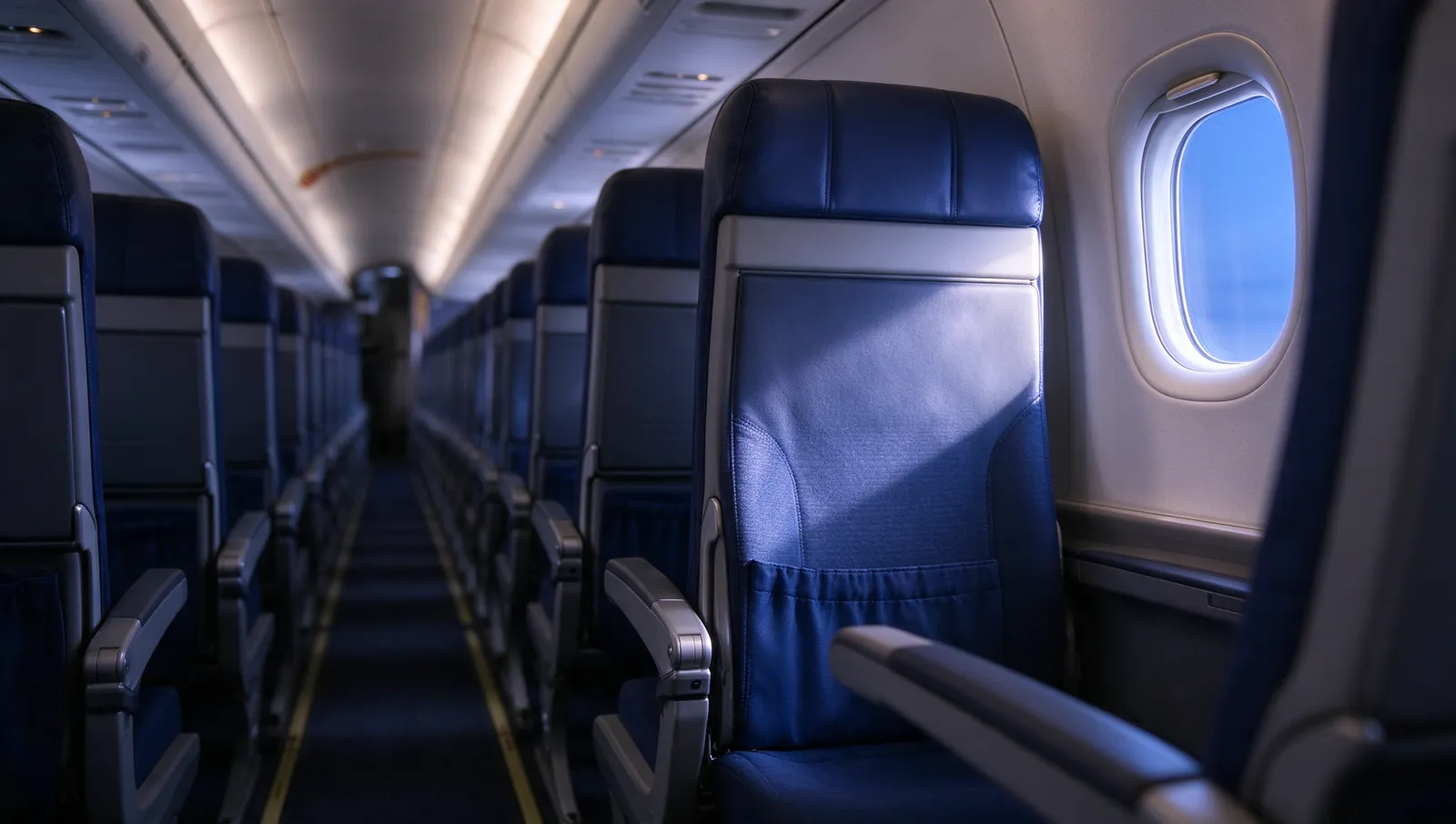
Seats are arranged two on one side of the aisle and one on the other, so there are no middle seats and every passenger has either a window or an aisle. The cabin is 1.82 m (6 ft) high, which is roomy for its category and makes moving through the aircraft easier on a full flight.
Gallery
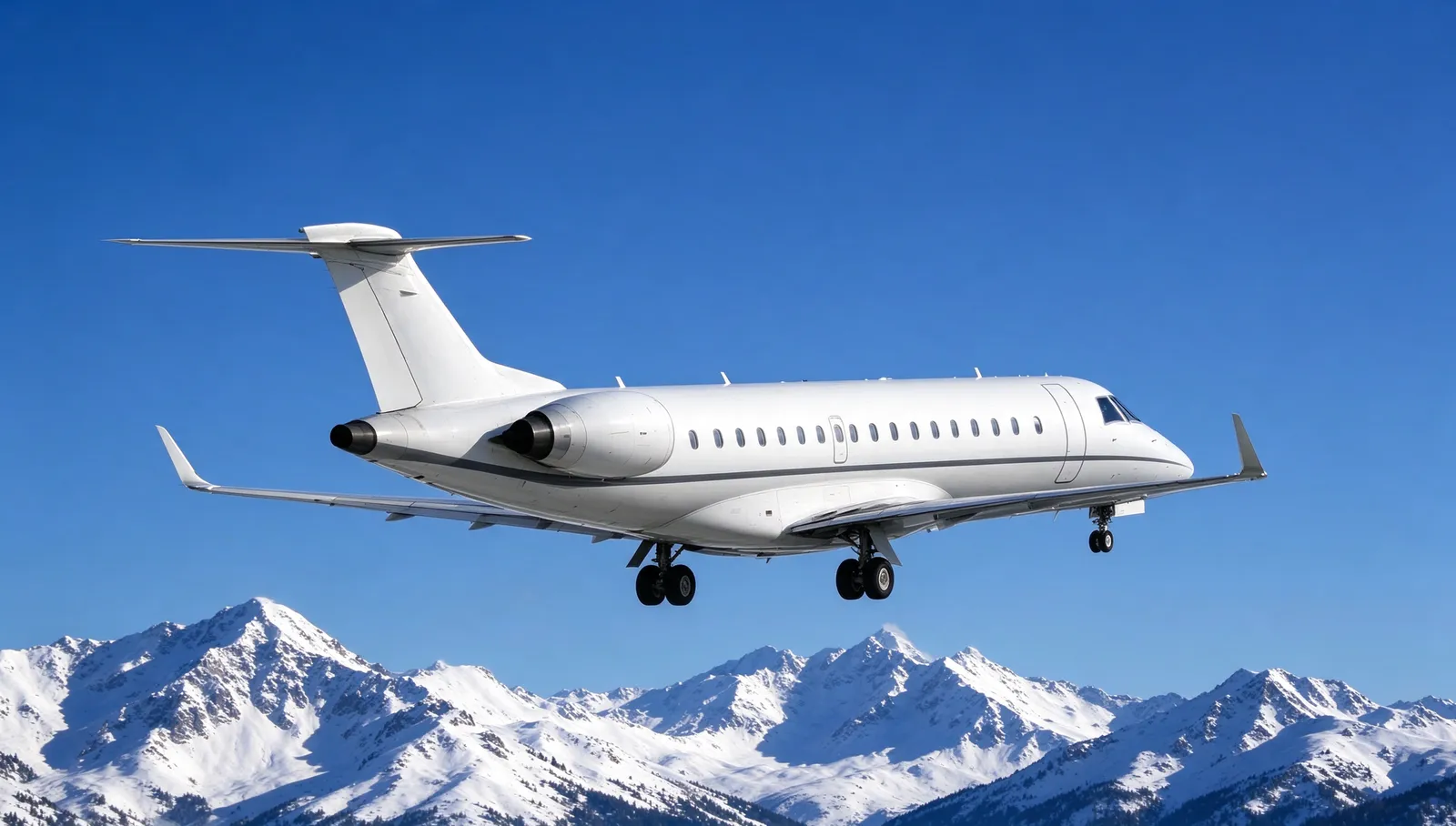
Figures are published manufacturer data, shown for illustration only. Images are generated for this concept and show the ERJ 145 type, not a specific aircraft. Embraer and ERJ 145 are trademarks of their owner, used only to identify the aircraft.